
2025 Blog 6 – Managing Pain and Sleep Issues in Pituitary and Adrenal Conditions
In this last edition of the 2025 WAPO Blogs and Vlogs series featuring Marc Casas Boj, we will cover the important topic of pain and sleep issues in pituitary and adrenal conditions. Marc Casas Boj is a research psychologist specializing in psychoendocrinology at the Germans Trias I Pujol Health Research Institute in Barcelona, Spain. We are thrilled for him to share his expertise and provide practical guidance to support patients in coping with these symptoms.
How common are chronic pain and sleep issues in patients with pituitary and adrenal disorders?
Marc began by explaining that chronic pain and sleep problems are surprisingly common in people living with pituitary and adrenal disorders. To understand why, he introduced the field of psychoneuroendocrinology, which examines the complex interactions between hormones and behavior. As these disorders are multisystemic, sleep quality and pain are often a direct expression of how hormonal dysregulation impacts the central nervous system. Cortisol, for example, follows a circadian rhythm, usually peaking in the morning and reaching its lowest point around the onset of sleep or early in the night. When this rhythm becomes imbalanced, the consequences for both pain and rest can be significant.
Studies have shown that among newly diagnosed acromegaly patients, up to 70% have sleep apnea, 72% experience widespread pain, and 25% report chronic pain. In Cushing’s syndrome, many vertebral fractures go undetected until imaging shows multiple micro-fractures, even when patients report ongoing pain. Even in hypopituitarism and other conditions involving a hormone deficiency, patients frequently experience sleep disturbances and pain. This indicates that these symptoms are not secondary or psychological, but may be a direct result of the disease and its multisystem hormonal dysregulation.
Marc concluded by pointing out that this evidence aligns with what is seen in everyday clinical practice. When specific sleep questionnaires are used, most people with pituitary and adrenal disorders report difficulties falling asleep, staying asleep, or achieving rest that is restorative.
How do stress hormones (such as cortisol) and other hormones specifically impact sleep architecture and pain sensitivity?
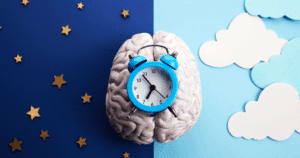
When it comes to sleep architecture, our circadian rhythm tells the body when to activate and when to rest and cortisol plays a central role as the body’s activation hormone. Cortisol should drop sharply at night so that the brain can enter rest mode, but in patients with pituitary and adrenal disorders, the hypothalamic–pituitary–adrenal (HPA) axis becomes dysregulated, meaning cortisol remains elevated. This misalignment, combined with other hormonal disturbances, disrupts the suprachiasmatic nucleus, which is the brain’s internal clock that governs the sleep-wake cycle. According to Marc, when the brain receives this inappropriate activation signal at night, it interprets it as stress or an ongoing alert. As a result, sleep architecture becomes fragmented and patients struggle to fall asleep, stay asleep, and access the deep, restorative phases of rest.
Marc then addressed how cortisol affects pain and mood. Glucocorticoids like cortisol act as powerful, natural anti-inflammatories, and their effects follow an “inverted U” pattern. On a graph with pain perception on the Y-axis and cortisol levels on the X-axis, both too little and too much cortisol increases pain, but for different reasons. Too little cortisol (i.e. in those with adrenal insufficiency), leads to the body losing its anti-inflammatory protection, resulting in increased inflammation and pain sensitivity. When there is too much cortisol, (i.e. in those with Cushing syndrome), the issue shifts to the brain, as prolonged glucocorticoid toxicity affects key regions like the hippocampus and amygdala, which regulate emotion, fear, and stress. This causes the brain to amplify pain signals, making even mild discomfort feel more severe. So both very low and very high cortisol levels can heighten pain, either through inflammation or through altered pain processing in the brain.
How does chronic pain and sleep issues impact a patient’s quality of life and overall wellbeing, and how does this relate to mood, anxiety and depression?
Marc gave an overview of the real cost of hormonal imbalances seen in these disorders. He noted that chronic pain and insomnia are not just physical symptoms. They often become the driving forces behind a vicious cycle that affects nearly every part of a patient’s life. Chronic pain and sleep issues add a significant emotional and mental burden. When hormones are disrupted and when sleep is already non-restorative, the brain is one of the earliest systems to suffer. This is why anxiety and depression frequently emerge alongside pain and fatigue.
An imbalance in the HPA axis disrupts sleep and heightens pain perception. In turn, this worsens mood, increases fatigue, and intensifies chronic pain, often leading to frustration, irritability, or guilt. These symptoms can also trigger or worsen anxiety and depression. These emotional changes then further amplify pain and disturb sleep, reinforcing the vicious cycle. He pointed out that even when the underlying disease goes into remission, changes in mood may persist. This is the case in Cushing’s syndrome, where many patients continue to report memory difficulties, trouble concentrating, irritability, and low stress tolerance.
When chronic pain, mood changes, and mental fatigue intersect, the consequences ripple through every area of life. Physically, pain-related fatigue makes exercise or even simple daily tasks challenging, leaving patients frustrated by their limitations. Socially and personally, low energy, anxiety, irritability, and emotional strain complicate relationships. This can lead to problems with partners (including intimacy issues), family members and friends, which can sometimes result in increased social isolation.
The impact on work life can also be significant. Fatigue, pain, and cognitive changes reduce productivity and jobs requiring memory and concentration become increasingly difficult. This often results in higher levels of absenteeism, sick leave, and in some cases, even permanent disability.
He concluded that chronic pain and poor sleep not only fuel anxiety and depression but also intensify physical and cognitive symptoms. It is for this reason that these interconnected aspects must be addressed as part of the overall treatment plan.

Many patients describe their pain as being misunderstood or minimized. How can healthcare professionals better address this topic, and what can patients do to improve communication?
When patients living with a pituitary or adrenal disorder feel that their debilitating symptoms of chronic pain or insomnia are being minimized by their healthcare provider, it can be very frustrating. Bridging this communication gap is the first step toward comprehensive care. Treatment is a two-way street: both the healthcare professional and the patient need to collaborate and actively participate in the therapeutic process. Building this partnership requires listening, empathy, and mutual trust.
Marc stressed that patients play an active and essential role in making sure their sleep problems and pain are included in their treatment plan. They should not hesitate to explain what they are experiencing. They should also not assume that the clinicians managing their pituitary or adrenal disorder fully understand how these symptoms affect their daily lives.
To better support this communication, he suggested the following to patients:
- Document your symptoms
Keep a brief record of pain frequency and intensity or of how well you sleep, as this helps make subjective symptoms more concrete. For example: “I wake up three times a night,” or, “The pain limits my activities three times a week” (see additional resources below for pain and sleep diaries). - Use quantifiable language.
Turn your experience into numbers. For example: “On a scale of 1 to 10, my headache is a 7.” These simple scales help clinicians understand the severity and pattern of your symptoms
For healthcare professionals, the first essential step is to validate the patient’s experience. A practical way to do this is by incorporating standardized questionnaires and symptom scales during follow-up visits. These tools help identify the intensity, frequency, and duration of sleep problems or pain.
Additionally, the holistic nature of hormonal disorders means that timely referral to other specialists may also be necessary. This may include chronic pain units, sleep clinics, psychologists, physiotherapists, rheumatologists, orthopedists, or rehabilitation services. A coordinated, multidisciplinary approach is crucial so that the full burden of the disease and the complex interaction between hormones, brain, and body can be properly addressed.
Marc concluded by saying that empowering both patients and healthcare professionals with the right tools and information strengthens the therapeutic relationship and improves treatment adherence.

Aside from hormonal medication, what strategies or treatments have proven most effective in managing chronic pain and sleep issues in the long term?
Marc explained that this is a fundamental question that required a careful answer. He noted that treatment for pituitary and adrenal conditions is always based on the plan recommended by the referring endocrinologist. A multidisciplinary approach is often necessary, especially when patients experience intense and persistent symptoms such as sleep problems or chronic pain. Because these symptoms are so complex, each one requires a thorough assessment and specialized care.
He then shared several tips. He first noted that a good strategy for adjusting the biological clock may be to use techniques aimed at regulating the circadian rhythm, known as “sleep hygiene” techniques. These include:
- Creating a fixed routine: Try to go to bed and wake up at the same time every day, including weekends, to strengthen your internal clock.
- Treating your bedroom as a sanctuary: The environment should be dark, cool, and quiet so that the brain associates it solely with rest.
- Avoiding stimuli before bed: Reduce exposure to phones, tablets, and TV at least one hour before bedtime. The blue light interferes with the production of melatonin, the hormone that helps regulate the sleep-wake cycle and is vital for falling asleep.
Marc then moved on to chronic pain and fatigue. According to him, the most effective tools in this area are psycho-emotional and behavioral strategies, which help the brain to modulate how pain is perceived.
First, there is problem-focused coping, which encourages patients to ask themselves: “What can I do right now to improve my situation?” Shifting attention from frustration to practical solutions is linked to better emotional and physical well-being.
Secondly, he talked about the psychological concept called “Internal locus of control”, which essentially means believing that your actions and efforts, rather than external factors or luck, determine your outcomes. This can be applied to managing pain by performing small actions that reduce feelings of helplessness, such as adjusting posture, applying heat or cold to the area that hurts, or asking for help.
Finally, Marc emphasized the importance of social support. Emotional or informational support acts as a buffer against stress, and since chronic pain is influenced by the activation of the HPA axis, having support can ease both the physical and emotional impact.
These strategies can help patients regain control over their daily lives and complement the medical treatment recommended by their endocrinologist.
What advice would you give to patients living with chronic pain and/or sleep issues and to healthcare providers caring for these patients?
Marc started by sending a message of encouragement and empowerment to anyone living with chronic pain and sleep difficulties resulting from a hormonal disorder. He reminded patients that they are at the center of their recovery process and play an active role in coordinating and strengthening their own therapeutic progress.
What patients feel is not imagined, it is a biological consequence of the disease. However, mindset can also be therapeutic. Marc went on to explain the relationship between belief, attitude, and behavior. If you believe you can manage a symptom, your behaviors tend to be more active, such as seeking help or engaging in gentle exercise. Over time, this leads to better outcomes and he stressed that, “The goal is not only hormonal cure, but overall well-being.”
He then encouraged patients to be proactive in communication and not assume their doctors fully understand the impact of their pain or insomnia. He recommended that patients become the voice of their symptoms and use the tools discussed. Marc also insisted on the importance of caring for mental health, noting that psychological support and coping strategies are just as essential as hormone therapy. If needed, patients can be referred to a mental health professional for specialized care.

For healthcare professionals, Marc shared that the main challenge lies in integration and validation. He encouraged clinicians to start from the assumption that pain and sleep disturbances are direct symptoms of the pathology. Validating the patient’s subjective experience, he explained, is a cornerstone of long-term treatment adherence. He recommended that clinicians make use of standardized quality of life, pain and sleep scales during regular follow-ups. These tools transform subjective complaints into objective clinical data.
Finally, Marc stressed the importance of timely referrals when needed. Given the high burden of these conditions, doctors should not hesitate to involve pain specialists, sleep clinics, or psychologists to ensure truly comprehensive care. Ultimately, he concluded, “Improving the patient’s quality of life remains the most important measure of success.”
We would like to thank Marc Casas Boj for taking the time to share his experience and helpful advice about managing sleep issues and pain with us. We hope you enjoyed this year of WAPO Blogs and Vlogs and wish everyone a very happy and peaceful holiday season.
Additional Resources:
Articles
Mastering Sleep Hygiene: Your Path to Quality Sleep
The Neural Correlates of Pain and Sleep in Health and Disease
Sleep apnea: Melmed, S., Casanueva, F. F., Klibanski, A., Bronstein, M. D., Chanson, P., Lamberts, S. W., Strasburger, C. J., Wass, J. A., & Giustina, A. (2013). A consensus on the diagnosis and treatment of acromegaly complications. Pituitary, 16(3), 294–302.
Mobile applications
Sleepio, the wellness app for managing sleep issues and insomnia
Sleep diaries
- Sleep and pain diary
- National Sleep Foundation’s Sleep diary
- Pain diary

